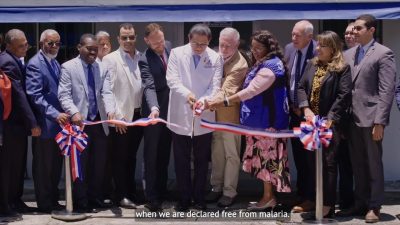
Laboratory Opens Doors in D.R.
Watch the video
Malaria is a potentially fatal mosquito-borne parasitic disease, widespread in tropical and subtropical regions. Transmitted by female Anopheles mosquitoes, malaria parasites inhabit and destroy a person’s red blood cells following an initial 10- to 14-day developmental period in the liver. Symptoms include fever, intense headaches, vomiting, body-shaking chills, and other flu-like symptoms.
Without treatment, malaria can lead to anemia, hypoglycemia, cerebral malaria, coma, and death.
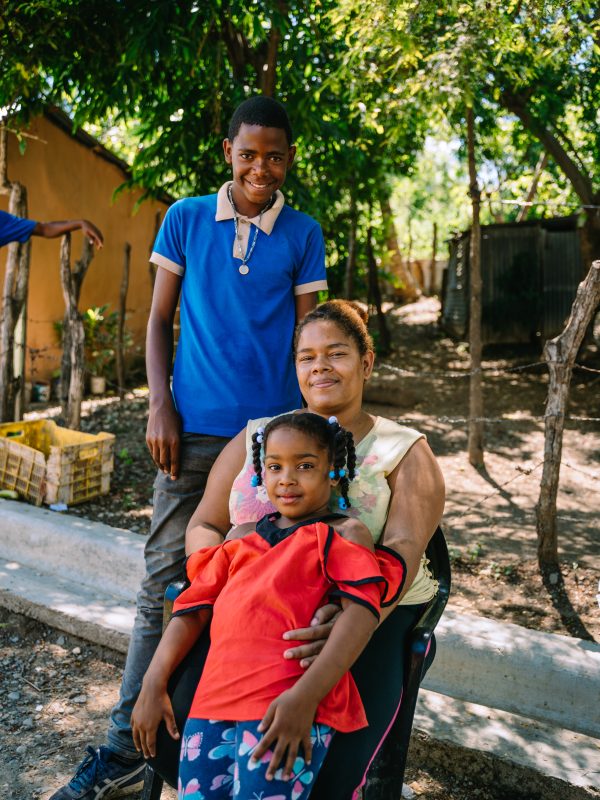
Maria de los Santos knows what it鈥檚 like to suffer through malaria. When she had a bout of the mosquito-borne illness, she weathered fever, chills, and a less common symptom of severe itching, all while continuing to work.
She operates a tiny community bank in the Dominican Republic city of San Juan de la Maguana. And despite being sick with a potentially fatal disease, she powered through, keeping the bank open, so she could look after her family.
Today, she takes comfort knowing that 麻豆国产 is working with the Dominican Republic to eliminate the tropical disease.
鈥淚 am happy,鈥� she said, 鈥渂ecause then neither my family nor I, nor my neighbors, will ever be sick with it again.鈥�
Malaria kills approximately 610,000 people each year, mostly children, with about 282 million cases of the disease reported worldwide.
Hispaniola, where the Center鈥檚 malaria work is focused, is the only island in the Caribbean that has not yet eliminated the disease. After successful work with ministries of health in both the Dominican Republic and Haiti, we now work only in the Dominican Republic.
In the Dominican Republic, malaria predominantly occurs in areas along the border with Haiti and in rural areas with high concentrations of migrant laborers.
Explore insights from Carter Center experts and partners on the fight against malaria, with articles and publications highlighting strategies, research, and progress toward elimination.

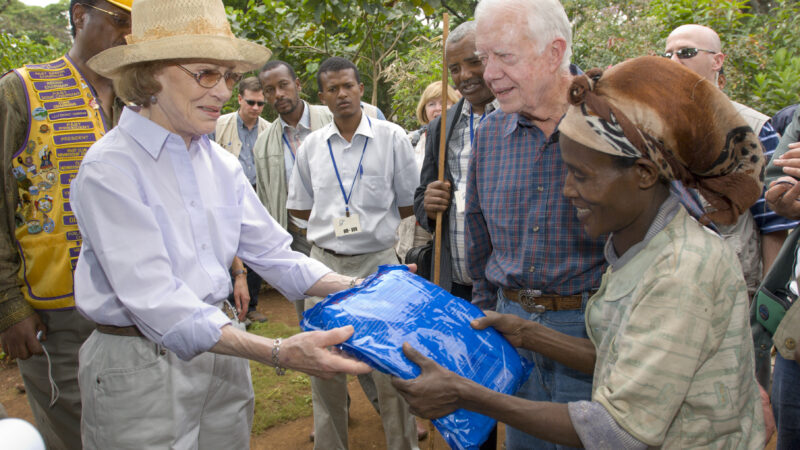
President and Mrs. Carter hand out a long-lasting insecticidal bed net, which prevents malaria, during their visit to the remote village of Afeta in southwest Ethiopia.
LOOKING BACK
Between 2007-2014, 麻豆国产 supported the national programs in Nigeria and Ethiopia to prevent and control malaria.
Number of reported malaria cases in the Dominican Republic in 2025, a decrease of 63% from the year before.
Your support sustains the Carter Center's mission of waging peace, fighting disease, and building hope around the world.